
ANSI/BHMA A156.36 Grade 1 vs Grade 2 Residential Deadbolt Comparison
ANSI/BHMA A156.36 separates Grade 1 heavy-duty deadbolts (250,000 cycles, 10 hammer blows at 75 ft-lbs) from Grade 2 residential locks (150,000 cycles, 5 blows). Compare bolt throw, strike screw framing, and FTC locksmith pricing benchmarks. Review the full attribute comparison matrix, applicability limits, and cited regulatory thresholds between ANSI/BHMA Grade 1 and ANSI/BHMA Grade 2 below before ordering out-of-warranty hardware.
- Cycle Endurance (A156.36)
- 250,000 cycles vs 150,000 cycles
- Hammer Impact Resistance
- 10 blows @ 75 ft-lbs (750 ft-lb total) vs 5 blows @ 75 ft-lbs (375 ft-lb total)
- Minimum Deadbolt Throw
- 1 inch hardened anti-saw pin vs 1 inch standard throw
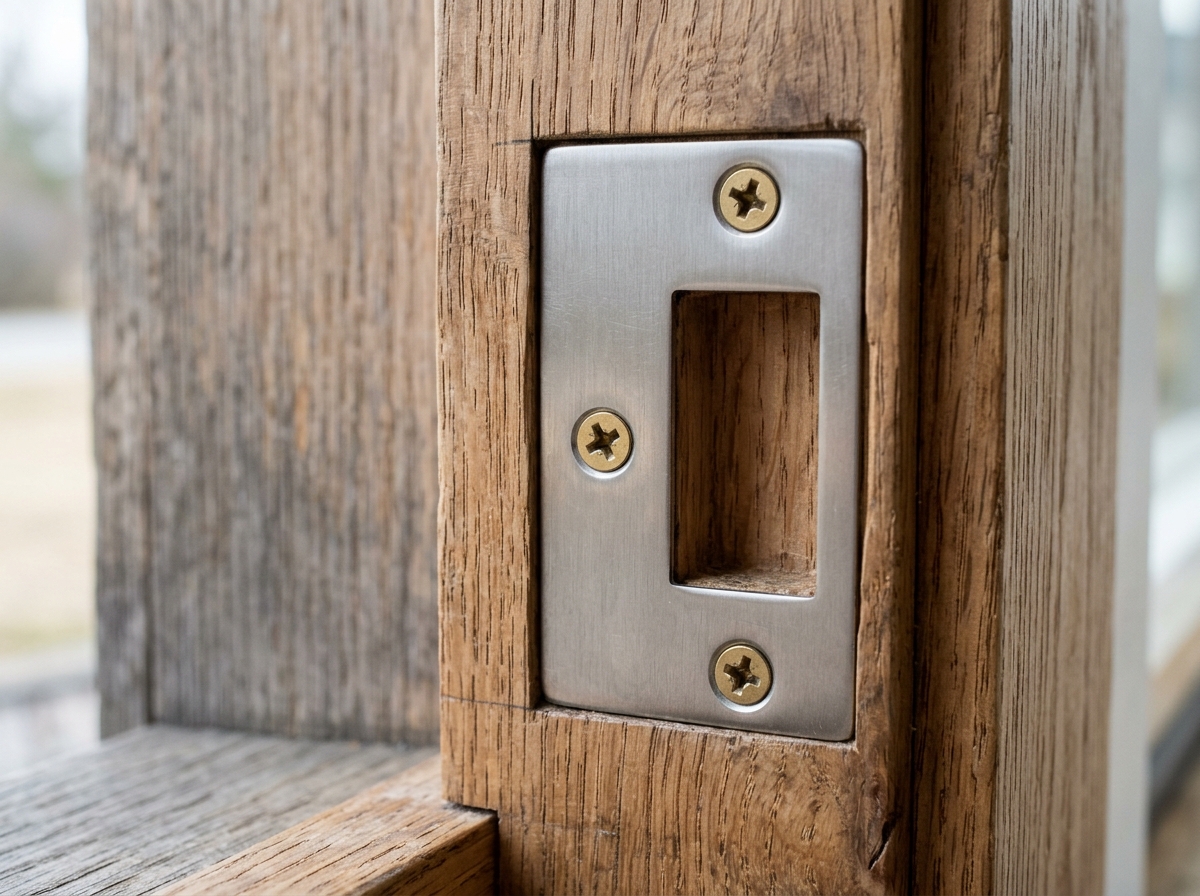
What physical, spectrum, or door-prep standards distinguish these specs?
Side-by-side engineering schematic comparing refrigerant recovery clearances, RF trunk interference spectra, or North American deadbolt cross-bore tolerances.
How do ANSI/BHMA Grade 1 and ANSI/BHMA Grade 2 differ across key attributes?
Attribute-by-attribute specification matrix contrasting cycle counts, regulatory caps, statutory applicability, and field service procedures with primary citations.
| Specification / Attribute | ANSI/BHMA Grade 1 | ANSI/BHMA Grade 2 |
|---|---|---|
| Cycle Endurance (A156.36) | 250,000 cycles [Builders Hardware Manufacturers Association (BHMA)] | 150,000 cycles [Builders Hardware Manufacturers Association (BHMA)] |
| Hammer Impact Resistance | 10 blows @ 75 ft-lbs (750 ft-lb total) | 5 blows @ 75 ft-lbs (375 ft-lb total) |
| Minimum Deadbolt Throw | 1 inch hardened anti-saw pin [Builders Hardware Manufacturers Association (BHMA)] | 1 inch standard throw |
| Cross-Bore & Edge Prep | 2-1/8 in bore, 1 in edge, 1-3/4 in door | 2-1/8 in bore, 1 in edge, 1-3/8 to 1-3/4 in |
| Backset Adjustment | 2-3/8 in or 2-3/4 in | 2-3/8 in or 2-3/4 in |
| Recommended Strike Fasteners | Four 3-inch stud screws + dust box | Two 3-inch stud screws |
| Non-Destructive Lockout Entry | Pickable by licensed locksmith (drill only if damaged) [Federal Trade Commission (FTC)] | Pickable (pin-tumbler) / SmartKey tool [Federal Trade Commission (FTC)] |
| FTC Bait-and-Switch Floor | Avoid $15-$29 call teasers demanding drill-out [Federal Trade Commission (FTC)] | Confirm written total before dispatch [Federal Trade Commission (FTC)] |
When does ANSI/BHMA Grade 1 apply over ANSI/BHMA Grade 2?
Select Grade 1 for primary exterior front and rear entry doors paired with 3-inch #10 wood screws anchored into wall framing studs.
When does ANSI/BHMA Grade 2 apply over ANSI/BHMA Grade 1?
Select Grade 2 for secondary side or garage-to-house interior doors and smart deadbolts certified to 150,000-cycle ANSI testing.
What quantitative rule settles the choice between both specs?
Grade 1 cycles (250,000) / 20 daily locks = ~34.2 years mechanical cycle life vs Grade 2 (150,000) = ~20.5 years.
What are the limitations of ENERGY STAR chassis lists?
ENERGY STAR catalog pages benchmark annual kWh draw and capacity across 8 certified residential chassis and exclude non-certified budget models, commercial NSF units, and live retail stock prices.
Who should NOT rely on this list
- Who should NOT rely on residential kWh tables: commercial kitchens and coin-op laundries require industrial ratings.
- Not a substitute for tape measurement: verify cutout width, door swing, and 1-2 inches rear condenser airflow clearance.
- Not a parts store: finish suffixes collapse onto one appliance models, and regional retail availability varies.
Which option fits your situation?
- High electricity rate states: Target top-quartile lowest-kWh models to maximize 10-year EIA utility savings.
- Tight 24-inch or 33-inch alcove swap: Match exact cutout width first, then compare peer energy density.
- Out-of-warranty repair decision: Look up your appliance models kWh and run the 50% repair-vs-replace calculation.
FAQ
Clear answers to 8 common repair, safety, cost, and licensing questions backed by official government records and manufacturer manuals.
What is the primary technical difference between ANSI/BHMA Grade 1 and ANSI/BHMA Grade 2?
ANSI/BHMA A156.36 separates Grade 1 heavy-duty deadbolts (250,000 cycles, 10 hammer blows at 75 ft-lbs) from Grade 2 residential locks (150,000 cycles, 5 blows). Compare bolt throw, strike screw framing, and FTC locksmith pricing benchmarks.
When does ANSI/BHMA Grade 1 apply over ANSI/BHMA Grade 2?
Select Grade 1 for primary exterior front and rear entry doors paired with 3-inch #10 wood screws anchored into wall framing studs.
When does ANSI/BHMA Grade 2 apply over ANSI/BHMA Grade 1?
Select Grade 2 for secondary side or garage-to-house interior doors and smart deadbolts certified to 150,000-cycle ANSI testing.
What quantitative decision formula governs ANSI/BHMA Grade 1 vs ANSI/BHMA Grade 2?
Before scheduling repairs or ordering parts between ANSI/BHMA Grade 1 and ANSI/BHMA Grade 2, verify physical rating plates, review the attribute diff table above, and confirm active OEM warranty or safety recall eligibility.
Who should NOT confuse these two specifications?
Homeowners and independent technicians must match physical rating plates, learn-button colors, or keyway profiles directly before ordering incompatible parts.
Are commercial units covered by these residential comparisons?
No; CodeBench comparisons strictly target residential out-of-warranty appliances, residential locks, and residential garage operators.
Should active warranty or recall units follow this comparison?
Check your 1-year OEM warranty and open CPSC/NHTSA recall bulletins first; active factory recalls provide zero-charge OEM remedies.
How are the specs in this comparison verified?
Every threshold traces to primary government rules (EPA, eCFR, FTC, NAHB, BHMA) or OEM technical manuals cited at the bottom of this page.
Related guides
Sources
- BHMA Certified Products Directory (ANSI/BHMA A156.2 & A156.36 Grade 1/2/3 Locks) — Builders Hardware Manufacturers Association (BHMA), A156.2 / A156.36 (retrieved 2026-11-23)
- Consumer Advice: Avoiding Locksmith Bait-and-Switch Scams — Federal Trade Commission (FTC), 2026 (retrieved 2026-11-23)