
Schlage C (SC1) vs Kwikset (KW1) Residential Keyway Comparison
SC1 (Schlage 5-pin, 0.015 in depth step) and KW1 (Kwikset 5-pin, 0.023 in step) account for most U.S. residential locks. Compare pin dimensions, SmartKey rekeying, and FTC non-destructive lockout guidelines. Review the full attribute comparison matrix, applicability limits, and cited regulatory thresholds between Schlage C (Ilco SC1) and Kwikset (Ilco KW1 / SmartKey) below before ordering out-of-warranty hardware.
- Pin Count & Key Blank
- 5-pin (SC1) / 6-pin (SC4) vs 5-pin (KW1) / 6-pin (KW10)
- Pin Depth Step Increment
- 0.015 in (depths 0 to 9) vs 0.023 in (depths 1 to 6)
- Pin Diameter
- 0.115 in standard vs 0.115 in standard
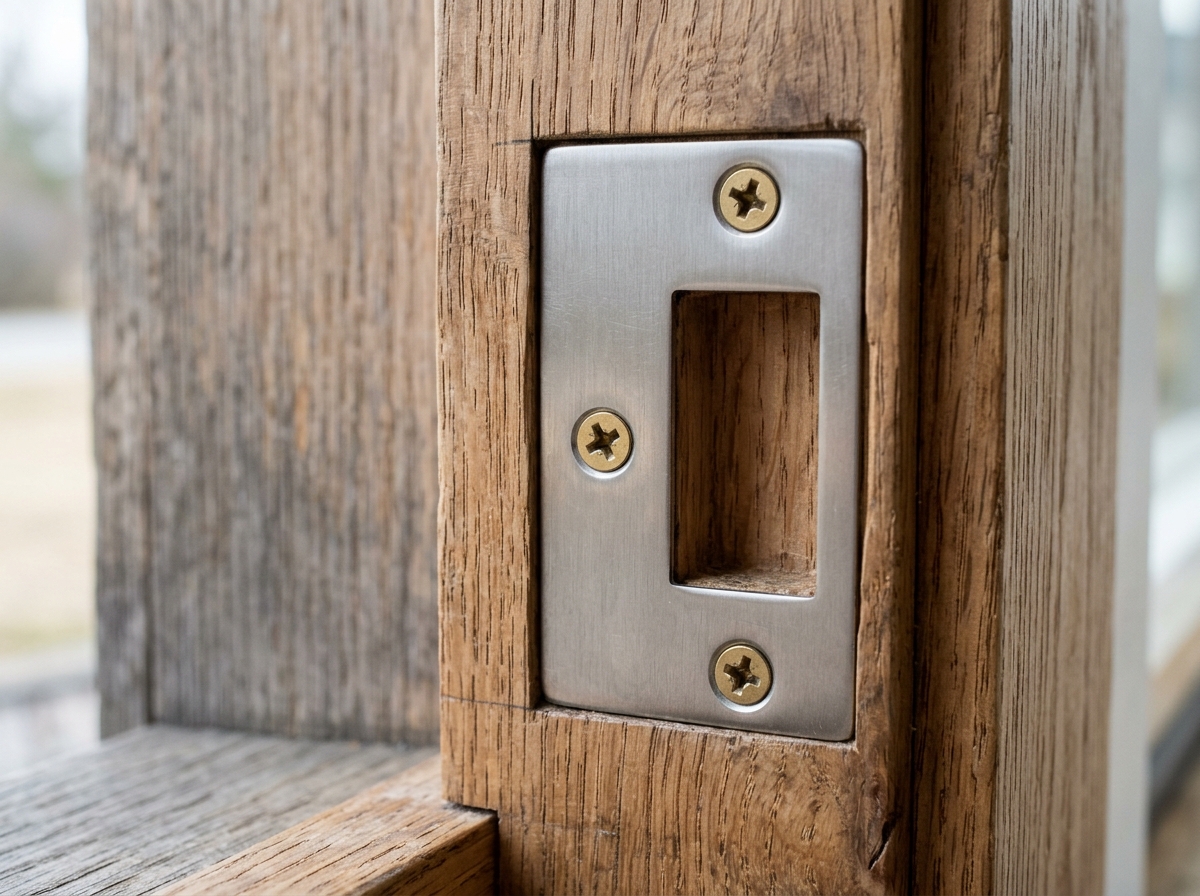
What physical, spectrum, or door-prep standards distinguish these specs?
Side-by-side engineering schematic comparing refrigerant recovery clearances, RF trunk interference spectra, or North American deadbolt cross-bore tolerances.
How do Schlage C (Ilco SC1) and Kwikset (Ilco KW1 / SmartKey) differ across key attributes?
Attribute-by-attribute specification matrix contrasting cycle counts, regulatory caps, statutory applicability, and field service procedures with primary citations.
| Specification / Attribute | Schlage C (Ilco SC1) | Kwikset (Ilco KW1 / SmartKey) |
|---|---|---|
| Pin Count & Key Blank | 5-pin (SC1) / 6-pin (SC4) [Builders Hardware Manufacturers Association (BHMA)] | 5-pin (KW1) / 6-pin (KW10) [Builders Hardware Manufacturers Association (BHMA)] |
| Pin Depth Step Increment | 0.015 in (depths 0 to 9) [Builders Hardware Manufacturers Association (BHMA)] | 0.023 in (depths 1 to 6) [Builders Hardware Manufacturers Association (BHMA)] |
| Pin Diameter | 0.115 in standard | 0.115 in standard |
| Rekey Mechanism | Follower + bottom/top pin kit | Pin kit OR SmartKey 15s Learn tool |
| Cylinder Picking Profile | Pickable by licensed locksmith | Pin pickable; SmartKey uses camera/decoder |
| Destructive Drilling Flag | FTC red flag on standard lockouts [Federal Trade Commission (FTC)] | Only required if SmartKey sidebar jams [Federal Trade Commission (FTC)] |
| Door Bore / Backset Spec | 2-1/8 in bore, 2-3/8 or 2-3/4 in | 2-1/8 in bore, 2-3/8 or 2-3/4 in |
| TX Landlord Rekey Rule | 7 days post-turnover (Tex. Prop. 92.156) | 7 days post-turnover (Tex. Prop. 92.156) |
When does Schlage C (Ilco SC1) apply over Kwikset (Ilco KW1 / SmartKey)?
Fits Schlage B60 Grade 1 deadbolts, F-Series knobs, and Encode/Connect smart locks; rekeys with brass plug follower and 0.015-in pin kit.
When does Kwikset (Ilco KW1 / SmartKey) apply over Schlage C (Ilco SC1)?
Fits Kwikset 660/980/SmartCode; SmartKey sidebar cylinders rekey in 15 seconds with a working key and Learn tool (no cylinder disassembly).
What quantitative rule settles the choice between both specs?
SC1 step = 0.015 in (depths 0-9) vs KW1 step = 0.023 in (depths 1-6). Standard US door cross-bore = 2-1/8 in.
What are the limitations of ENERGY STAR chassis lists?
ENERGY STAR catalog pages benchmark annual kWh draw and capacity across 8 certified residential chassis and exclude non-certified budget models, commercial NSF units, and live retail stock prices.
Who should NOT rely on this list
- Who should NOT rely on residential kWh tables: commercial kitchens and coin-op laundries require industrial ratings.
- Not a substitute for tape measurement: verify cutout width, door swing, and 1-2 inches rear condenser airflow clearance.
- Not a parts store: finish suffixes collapse onto one appliance models, and regional retail availability varies.
Which option fits your situation?
- High electricity rate states: Target top-quartile lowest-kWh models to maximize 10-year EIA utility savings.
- Tight 24-inch or 33-inch alcove swap: Match exact cutout width first, then compare peer energy density.
- Out-of-warranty repair decision: Look up your appliance models kWh and run the 50% repair-vs-replace calculation.
FAQ
Clear answers to 8 common repair, safety, cost, and licensing questions backed by official government records and manufacturer manuals.
What is the primary technical difference between Schlage C (Ilco SC1) and Kwikset (Ilco KW1 / SmartKey)?
SC1 (Schlage 5-pin, 0.015 in depth step) and KW1 (Kwikset 5-pin, 0.023 in step) account for most U.S. residential locks. Compare pin dimensions, SmartKey rekeying, and FTC non-destructive lockout guidelines.
When does Schlage C (Ilco SC1) apply over Kwikset (Ilco KW1 / SmartKey)?
Fits Schlage B60 Grade 1 deadbolts, F-Series knobs, and Encode/Connect smart locks; rekeys with brass plug follower and 0.015-in pin kit.
When does Kwikset (Ilco KW1 / SmartKey) apply over Schlage C (Ilco SC1)?
Fits Kwikset 660/980/SmartCode; SmartKey sidebar cylinders rekey in 15 seconds with a working key and Learn tool (no cylinder disassembly).
What quantitative decision formula governs Schlage C (Ilco SC1) vs Kwikset (Ilco KW1 / SmartKey)?
Before scheduling repairs or ordering parts between Schlage C (Ilco SC1) and Kwikset (Ilco KW1 / SmartKey), verify physical rating plates, review the attribute diff table above, and confirm active OEM warranty or safety recall eligibility.
Who should NOT confuse these two specifications?
Homeowners and independent technicians must match physical rating plates, learn-button colors, or keyway profiles directly before ordering incompatible parts.
Are commercial units covered by these residential comparisons?
No; CodeBench comparisons strictly target residential out-of-warranty appliances, residential locks, and residential garage operators.
Should active warranty or recall units follow this comparison?
Check your 1-year OEM warranty and open CPSC/NHTSA recall bulletins first; active factory recalls provide zero-charge OEM remedies.
How are the specs in this comparison verified?
Every threshold traces to primary government rules (EPA, eCFR, FTC, NAHB, BHMA) or OEM technical manuals cited at the bottom of this page.
Related guides
Sources
- BHMA Certified Products Directory (ANSI/BHMA A156.2 & A156.36 Grade 1/2/3 Locks) — Builders Hardware Manufacturers Association (BHMA), A156.2 / A156.36 (retrieved 2026-11-23)
- Consumer Advice: Avoiding Locksmith Bait-and-Switch Scams — Federal Trade Commission (FTC), 2026 (retrieved 2026-11-23)